







FAQs
What is the standard kitchen worktop height and depth?
The standard kitchen worktop height is 900mm from floor to surface, which provides comfortable working ergonomics. The typical depth of a worktop is 600mm, but many homeowners now choose deep worktops 900mm for islands or larger kitchen layouts to increase preparation space.
What are the most popular types of kitchen worktops?
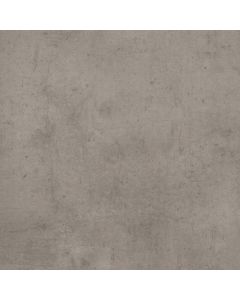
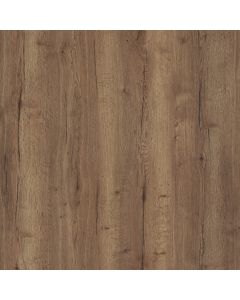
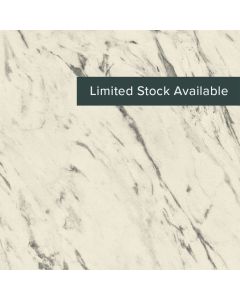
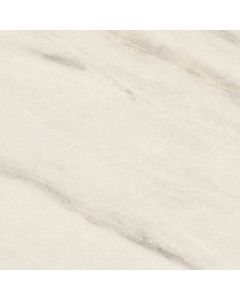
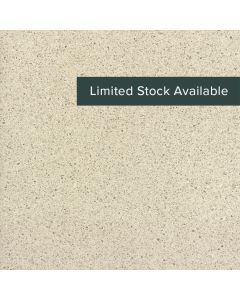
The most searched options include laminate worktops, solid wood worktops kitchen styles, and modern colour finishes like white worktops and black worktop designs. Laminate options are cost-effective and low maintenance, while solid wood adds warmth and natural texture.
Are laminate kitchen worktops durable?
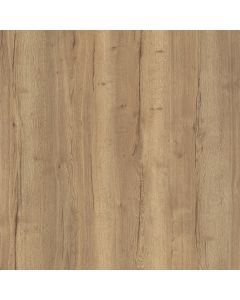
Yes, laminate kitchen worktops are highly durable, easy to clean and resistant to stains and moisture when properly installed. Options like laminate worktop oak, laminate worktop black, and other finishes offer stylish alternatives to natural stone or wood at a lower price point.
What colour worktops work best in modern kitchens?
Popular choices include white worktops for a bright, clean look, black worktop finishes for contrast, and bold options like blue worktop or burgundy worktop for statement kitchens. Pairing a white kitchen with oak worktops is also a timeless combination that balances light cabinetry with warm natural tones.
What should I consider when choosing a kitchen worktop?
When selecting a kitchen worktop, consider durability, maintenance, colour coordination and size. Measure the depth of a worktop carefully, ensure the kitchen worktop height standard suits your layout, and choose materials such as laminate worktop or solid wood based on lifestyle needs and budget.
What are worktops used for?
Worktops are durable horizontal surfaces used in kitchens, bathrooms, laboratories, and commercial spaces. They are designed to withstand daily use while providing a functional and aesthetic workspace.
What materials are commonly used for worktops?
Common worktop materials include engineered stone, solid surface, laminate, natural stone, and timber, each offering different benefits in durability, maintenance, cost, and visual appeal.
Are worktops heat and scratch resistant?
Many modern worktops are engineered to be heat-resistant and scratch-resistant, though performance varies by material. Using cutting boards and heat pads is recommended to maintain surface longevity.
Are worktops suitable for commercial applications?
Yes, worktops are widely used in commercial kitchens, offices, healthcare, and retail environments due to their durability, hygiene properties, and ability to meet performance standards.
How do I choose the right worktop for my space?
Choosing the right worktop depends on usage, budget, maintenance requirements, and design preference. High-traffic areas benefit from durable, low-maintenance materials, while residential spaces may prioritize aesthetics.