
The Smart Builder’s Guide to OSB Boards: Strong, Sustainable and Cost-Effective
In Australia, the demand for OSB continues to grow as builders, designers and specifiers look for materials that balance performance with cost efficiency. OSB sheets offer consistent structural strength, efficient use of timber resources and a more affordable alternative to traditional plywood in many applications.
ForestOne supplies premium OSB boards, panels and sheets designed to meet Australian building standards and evolving design expectations. From structural use through to feature walls and ceilings, OSB is proving itself as a smart, adaptable solution across residential and commercial projects.
What Is OSB?
So, what is OSB board exactly? OSB stands for Oriented Strand Board, an engineered wood product made by bonding together thin wood strands in specific orientations using resin and high pressure. The strands are layered and compressed under heat to form strong, rigid panels with consistent structural properties. Unlike plywood, which is made from stacked veneer sheets, oriented strand board uses strands arranged in cross-oriented layers. This gives OSB sheets uniform strength across the panel, reducing weak points and improving load distribution. The result is a board that performs reliably in structural applications such as flooring, wall bracing and roofing.
Oriented strand board OSB is designed to be strong, stable and efficient. Because it uses smaller, fast-growing timber species and recycled wood products, OSB also supports more sustainable forestry practices. Its engineered composition allows manufacturers to maximise material use while delivering predictable performance. In practical terms, OSB offers builders a dependable alternative to plywood, particularly where strength, consistency and cost are key considerations. It is this balance that has made oriented strand board a mainstay in modern construction.
Types of OSB Boards
OSB is not a single product but a category of engineered strand board available in different grades and formats to suit specific environments and loads. Understanding the types of OSB boards and sheets available helps ensure the right product is specified for each project.
Standard OSB
Standard OSB sheets are commonly used for internal wall panels, roof decking and subflooring in dry conditions. These boards provide reliable structural support and dimensional stability, making them suitable for residential construction where exposure to moisture is limited.
Moisture-Resistant OSB
Moisture-resistant OSB, often referred to as OSB3, is designed for use in humid or damp environments. It offers improved resistance to moisture compared to standard OSB, making it suitable for semi-exterior applications, bathrooms, laundries and areas subject to occasional exposure.
OSB Panels and Structural Applications
OSB panels are widely used in roofing systems, wall bracing and flooring systems where strength and rigidity are critical. Thicker OSB panels can also be used in joinery and cabinetry where durability and load-bearing performance are required.
OSB Ply and Plywood Comparisons
Terms like ‘OSB ply’, ‘OSB plywood’ and ‘oriented strand board plywood’ are often used interchangeably, but they describe different materials. OSB ply refers to OSB used in similar applications to plywood, rather than a hybrid product. Plywood strand board or strand board plywood are informal terms sometimes used to describe OSB as an alternative to plywood, but structurally they remain distinct products. OSB boards are engineered strand board products, while plywood is made from veneer layers. Each has strengths depending on the application, which is why both remain widely used across Australian construction.
OSB vs Plywood: Which Is Better?
The comparison between OSB and plywood is one of the most common questions in the building industry. While both materials serve similar purposes, their composition and performance characteristics differ in important ways.
Composition and Structure
OSB is made from compressed wood strands arranged in layers, while plywood is constructed from thin wood veneers glued together. The strand-based structure of OSB allows for more consistent strength across the panel, whereas plywood strength can vary depending on veneer quality and grain direction.
Strength and Stability
In uniform load-bearing applications, OSB often performs exceptionally well. Its engineered structure provides excellent stiffness and resistance to deflection, making it ideal for flooring and wall sheathing. Plywood can offer superior edge strength and is often preferred where visible finishes or fine detailing are required.
Cost and Availability
One of the key advantages of OSB board plywood alternatives is cost. OSB is generally more economical than plywood, particularly in larger structural applications. This cost efficiency makes OSB a popular choice for builders working to budget without compromising performance.
Applications
OSB is commonly used in subfloors, wall bracing and roofing, while plywood is often selected for cabinetry, joinery and visible interior finishes. In practice, many projects use both OSB and plywood, selecting each material where it performs best. Understanding the difference between strand board plywood and traditional plywood allows builders and designers to make informed material choices rather than defaulting to one option.
Applications of OSB Boards in Australia
Wall and Roof Sheathing
OSB panels are widely used for wall and roof sheathing due to their rigidity and ability to provide effective structural bracing. When appropriately specified, OSB performs reliably and contributes to overall building stability.
Subflooring
Sheets of OSB are a common choice for subflooring systems. Their consistent thickness and strength make them well suited to supporting floor loads, while moisture-resistant grades offer added protection during construction.
Cabinetry and Furniture
Beyond structural use, OSB has gained popularity in cabinetry and furniture applications. Thicker OSB panels provide a strong, stable base for shelving, joinery and custom furniture, particularly in industrial or contemporary designs.
Decorative Panels and Interior Features
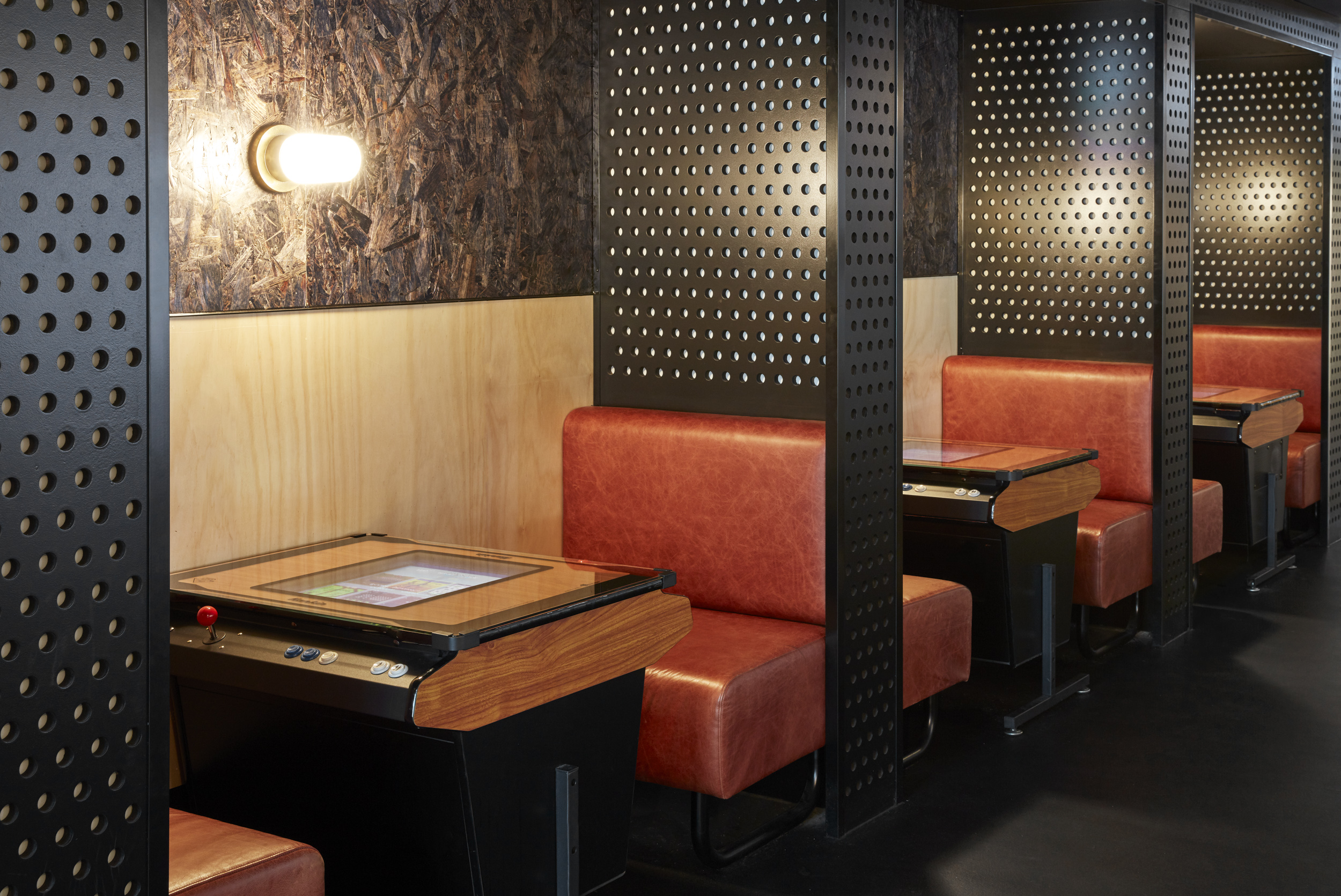
OSB has increasingly moved from behind walls to front-facing design elements. ForestOne’s DESIGNER OSB transforms oriented strand board into a decorative surface that can be painted, stained or powder-coated. With finishes including clear, limewash, white tint, black tint and solid black, DESIGNER OSB allows designers to embrace the natural texture of strand board while elevating it for modern interiors.
How to Choose the Right OSB Board
Selecting the right OSB board means understanding both the environment and the performance requirements of the application.
Thickness and Grade
OSB boards are available in different thicknesses and grades. OSB2 is suitable for dry internal conditions, while OSB3 offers improved moisture resistance for humid environments. Higher grades provide greater strength and durability where required.
Application Area
Consider whether the OSB will be used structurally, decoratively or both. Structural applications may prioritise strength and stiffness, while visible interior applications benefit from coated or finished OSB panels such as DESIGNER OSB.
Sustainability and Certification
Sustainability is an increasingly important consideration in material selection. ForestOne supplies FSC-certified OSB products, supporting responsible sourcing and efficient use of timber resources. Oriented strand board plywood alternatives like OSB use smaller wood strands and recycled material, reducing waste compared to traditional plywood manufacturing.
Careful selection ensures the OSB board performs as intended while aligning with environmental and design goals.
Why OSB Makes Sense for Modern Building
OSB boards have evolved from structural material into a versatile solution for contemporary construction and design. Their strength, consistency and affordability make them a practical choice for builders, while their distinctive texture and finish options create new design possibilities.
From structural OSB sheets and panels to decorative DESIGNER OSB used in interiors, oriented strand board continues to prove its value across Australian projects. When combined with responsible sourcing and innovative finishes, OSB delivers a compelling balance of performance, sustainability and cost efficiency.
ForestOne’s expertise in supplying premium-grade OSB boards and panels ensures builders and designers have access to high-quality products that meet both technical and aesthetic requirements. Whether used behind the scenes or proudly on display, OSB remains a smart choice for modern building and design.