
Kitchen Worktops Explained: Materials, Colours, Depth & Design Ideas
Choosing the right kitchen worktop isn’t just about picking a colour you like on a sample. It’s a decision that affects how your kitchen looks and how it performs day-to-day: how it handles heat, how easily it marks, how it cleans, and how well it suits the way you cook and live.
In this guide, we’ll break down modern kitchen worktops commonly used in Australian homes, including material options (with a special look at laminate), colour choices, and the practical design specs that matter - like standard kitchen worktop height and the recommended depth of a worktop (including deep worktops 900mm).
Why Kitchen Worktops Matter in Modern Kitchen Design
A kitchen can have beautiful cabinetry, great lighting, and the latest appliances - but if the worktop is wrong for the space, you’ll feel it every day. Kitchen worktops matter because they:
- Set the visual tone of the whole kitchen (especially in open-plan homes).
- Handle constant wear from cooking, cleaning, and everyday impact.
- Connect design choices like cabinetry colour, splashback style, and flooring.
- Influence functionality through height, depth, and usable prep space.
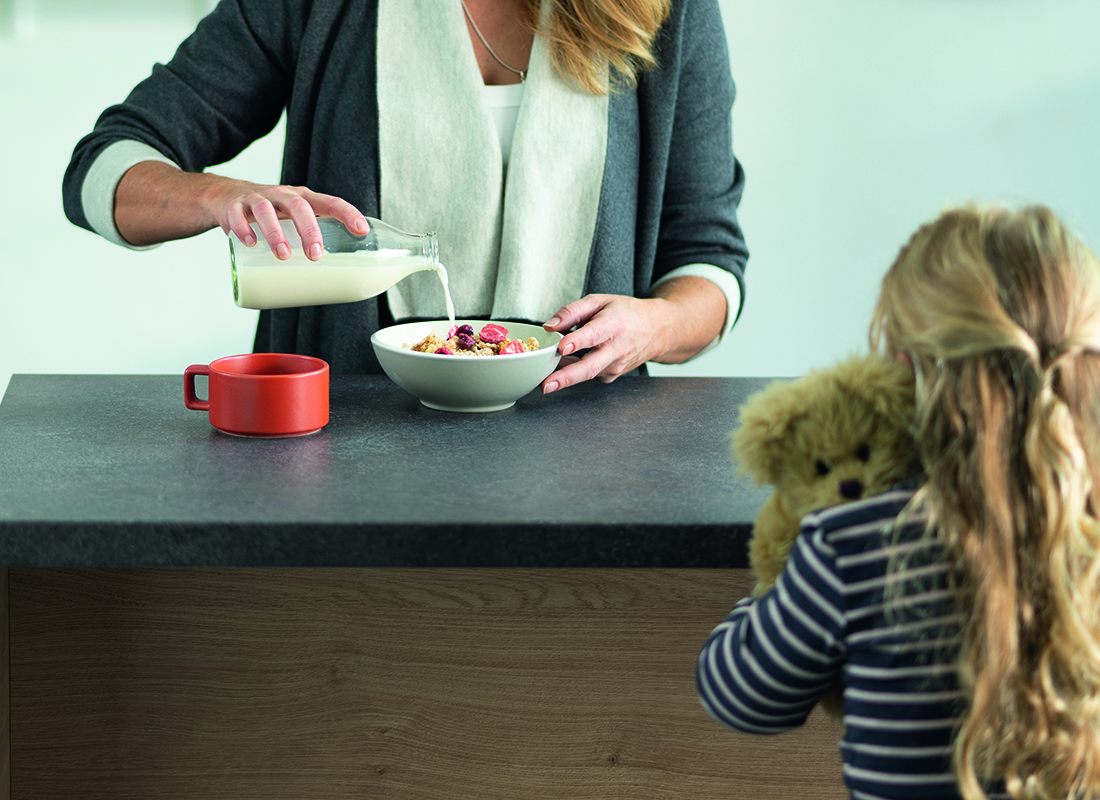
The “best” kitchen worktop is the one that fits your design goals and your tolerance for maintenance, marks, and budget reality.
Understanding Kitchen Worktop Materials
When people talk about worktops, they often jump straight to stone. But modern kitchens use a wide range of materials - and each has trade-offs around cost, durability, and maintenance.
Laminate worktops
Laminate worktops have come a long way. Today’s laminate kitchen worktops can mimic timber grain, concrete, stone and textile looks remarkably well while staying budget-friendly.
Why people choose laminate worktops:
- Strong value for money
- Huge range of colours and textures
- Easy to clean and maintain
- Suitable for many residential and some light use commercial settings
Things to watch:
- Heat damage is possible if hot pans are placed directly on the surface
- Water ingress at joins and cut-outs (like sinks) can cause swelling if detailing is poor
A good laminate worktop is less about “cheap vs expensive” and instead about choosing the right product and finishing the edges and joins properly.
Solid wood worktops for kitchens
Solid wood worktops can look incredible in kitchen designs - warm, natural, and tactile. They work especially well in styles like coastal, Scandinavian, modern farmhouse, and contemporary natural palettes.
Pros:
- Natural warmth and character
- Can often be sanded and refinished over time
- Ages beautifully when maintained
Cons:
- Needs regular sealing and care
- More sensitive to water and stains than many engineered surfaces
- Can move with humidity and temperature changes. If you love timber, it’s worth being honest about the maintenance commitment. In a busy household, the “patina” is real - sometimes charming, sometimes annoying.
Engineered surfaces and stone-style options
Engineered surfaces (like engineered stone alternatives, solid surface products, and sintered/ultracompact surfaces) are popular for modern kitchens because they can offer:
- A premium, consistent look
- Strong durability
- Low-maintenance cleaning. The right choice depends on the specific product and how you use the kitchen. Some options are excellent with heat; others are more sensitive to impact or certain cleaning chemicals. Always check manufacturer guidance, especially if you’re renovating an investment property or specifying for a commercial environment.
Choosing the Right Kitchen Worktop Colour
Colour is where worktops really shape the mood of a kitchen. In an Australian context - especially with bright natural light - undertones matter more than people think.
White worktops for modern kitchens
White worktops are a classic for a reason: they brighten the space, suit most cabinetry colours, and make a kitchen feel clean and open. Works well with:
- White or light-toned cabinetry for a seamless look
- Timber cabinetry for warmth and contrast
- Black fixtures for a sharp modern edge. If you’re choosing white worktops, pay attention to whether the white reads warm (creamy) or cool (crisp/blue) in your lighting.
Black worktop for bold contrast
A black worktop can look striking and architectural, especially paired with light cabinetry. It also hides some stains and crumbs better than white - but can show dust, fingerprints, and water spots, depending on finish. Pro tip: if you love the look, consider a textured black laminate worktop or a honed finish where available. Both matte and high-gloss will show marks.
Grey kitchen wood worktop and natural neutrals
Grey and “greige” tones are popular because they bridge warm and cool palettes. A grey kitchen wood worktop effect (whether real timber, laminate, or a textured stone-look) can suit:
- Modern coastal kitchens
- Minimalist interiors
- Mid-tone cabinetry (like sage, mushroom, or soft charcoal)
Blue worktop and burgundy worktop as statement choices
If you want something different, colour worktops can create a high-design outcome - but they need to be handled with restraint. A blue worktop can feel fresh and contemporary when paired with:
- Warm timber cabinetry
- Off-whites
- Brushed brass or matte black hardware
A burgundy worktop (or deep red/wine tone) can feel sophisticated and dramatic - particularly in moody kitchens with dark cabinetry, warm lighting, and minimal clutter. Design rule: if the worktop is the statement, keep the splashback and cabinetry simpler, or the space can become visually busy fast.
White kitchen with oak worktops (a modern Australian favourite!)
The white kitchen with oak worktops look is popular across Australia because it balances clean and warm. It also holds up well to changing trends: oak tones feel natural, while white keeps the space bright. If you want that look without timber maintenance, laminate worktop oak finishes can deliver a similar feel with easier care - provided you choose a realistic grain and a low-sheen finish.
Kitchen Worktop Dimensions & Standards
Even the most beautiful worktop can be frustrating if the dimensions don’t suit how you move and work in the space.
Kitchen worktop height standard (and why it matters)
The kitchen worktop height standard in many Australian kitchens typically lands around 900mm, but “standard” doesn’t mean “right for everyone”. Height affects:
- Comfort during prep (reducing back and shoulder strain)
- How appliances and cabinetry align
- The ergonomics of daily cooking
If you’re tall, cook often, or do a lot of meal prep, a small height adjustment can make a surprising difference. In new builds or full renovations, it’s worth discussing worktop height early - before cabinetry is locked in. Note: If you plan to rent the property or sell it in the future, it’s recommended you speak to your agent before making adjustments to the standard.
Depth of a worktop: what’s typical?
The depth of a worktop is usually designed to align with base cabinetry and allow enough space for splashbacks and appliances. Standard detpths often sit in the 600–650mm range, depending on cabinetry and design. But modern kitchens are trending toward more generous surfaces - especially in open-plan living where the kitchen functions as a social hub.
Deep worktops 900mm: when extra depth makes sense
Deep worktops 900mm can be a game-changer in the right layout. You’ll often see deeper surfaces on:
- Islands (for seating, serving, or entertaining)
- Large L-shaped kitchens where one side becomes a “landing zone”
- Kitchens with integrated appliances that need more breathing room
Benefits of deeper worktops:
- More prep space (especially with multiple people cooking)
- Better zoning: prep vs appliances vs serving
- A more premium, “architectural” feel
Things to consider:
- Reach: deeper benches can be uncomfortable for shorter users if storage or appliances are pushed too far back
- Cost: more surface area means higher material cost
- Lighting and power: deeper benches often need well-planned task lighting and extra power points. If you love the idea of a deeper worktop, 900mm can work brilliantly on an island, while keeping perimeter benches closer to standard depth for everyday comfort.
Laminate Worktops for Modern Kitchens
Laminate deserves its own moment, because it’s one of the most practical worktop choices for many Australian homes - especially when you want a modern look without premium-surface pricing.
Why laminate kitchen worktops are so popular
Laminate worktops are widely used because they’re:
- Cost-effective without looking “cheap” when chosen well
- Scratch resistant for typical household use (depending on finish)
- Available in a huge colour and texture range
- Suitable for both residential kitchens and many commercial fit-outs (depending on the product). Modern stone-look and timber-look laminates can deliver a clean, current aesthetic without the ongoing sealing or maintenance required by some other surfaces.
Design ideas: black, oak, and stone-look laminate. Popular choices include:
- Black laminate worktop for sharp contrast and modern minimalism
- Oak laminate worktop for warmth (especially with white or dark cabinetry)
- Stone-look laminate kitchen worktops for a high-end look at a friendlier price point
If you’re aiming for a premium outcome, pay attention to:
- Finish (matte/textured often looks more realistic)
- Edge profile (a well-finished edge can elevate the whole kitchen)
- Join placement (plan joins away from high-water zones where possible)
The real longevity factor: detailing
Laminate can last extremely well - but most failures happen at edges, joins, and cut-outs, not the laminate face itself. For long-term performance, prioritise:
- Proper sealing around sinks and dishwashers
- Quality edging and join techniques
- Avoiding standing water at seams
- Using trivets for hot cookware
Designing Kitchens with Worktops That Last
A worktop isn’t just a surface - it’s part of a system. The best kitchens are designed so the worktops support how the space is actually used. Match the worktop to the way you live.
Ask yourself:
- Do you cook daily, or is the kitchen mostly light prep?
- Are there kids (or housemates) who treat benches like a workstation?
- Is it a “clean as you go” household, or more realistic-chaos? A white worktop might be perfect for someone who loves a clean look and wipes constantly. In a high-traffic home, a mid-tone or textured finish can be more forgiving.
Coordinate worktops with cabinetry and lighting
Worktops look different under different lighting temperatures. What feels “warm white” in a showroom can look creamy under warm downlights - or clinical under cool LEDs.
If possible:
- Test samples in your kitchen at different times of day
- Compare against cabinetry, flooring, and splashback selections
- Consider how shadows fall on the surface (especially on islands)
Think beyond trend: plan for visual balance
If you want a bold worktop (black worktop, blue worktop, burgundy worktop), balance it with:
- Simple cabinetry profiles
- Consistent hardware finishes
- A restrained splashback
- Minimal visual clutter on the bench. Modern kitchens feel “designed” when the worktop doesn’t have to fight every other element.
Selecting the Right Worktop for Your Kitchen
Choosing kitchen worktops comes down to three things: material performance, colour and style, and practical dimensions.
If you want an easy-care, design-flexible option, laminate worktops can be a smart choice - especially with today’s stone and timber-look finishes. If you’re drawn to natural character, solid wood worktops for kitchens can deliver warmth, as long as you’re ready for maintenance. And if you’re designing a kitchen to be lived in for the long haul, don’t ignore the practical details like kitchen worktop height standard and the depth of a worktop - because those are what make the space feel good every day.