
How to Choose Laminate Sheets for Kitchens & Cabinets
If you’re planning a kitchen or cabinetry project, the finish you choose has a bigger impact than most people expect. Get it wrong and you can end up with swollen edges, peeling joins, or a benchtop that looks tired fast.
This guide walks through how to choose a laminate surface for Australian kitchens and cabinets, including what to look for in benchtops versus doors, how to think about heat and moisture, and when DIY is a false economy.
Why Surfaces Fail in Kitchens & Cabinets
Kitchens and laundries are hard on finishes. A surface can look perfect on day one, then start failing within months if the substrate, adhesive, or laminate is wrong for the job.
The most common failure points are:
- Swelling around sinks, dishwashers, and exposed edges when moisture gets into the board.
- Peeling and bubbling when adhesives aren’t suitable for heat, steam, or movement.
- Scratches and impact marks on cabinet doors and drawers from daily use.
- Heat damage near cooktops, kettles, and toasters, especially on horizontal surfaces.
Design matters but in high-use rooms, material choice and installation details usually matter more. That is where laminate sheets (also called sheet laminate or laminate sheeting) can be a strong, budget-friendly option.
Step 1: Understanding the Different Surface Options
Solid timber
Timber can be beautiful and repairable, but it is more sensitive to moisture and movement. It generally needs ongoing maintenance (oiling, resealing) and careful detailing around wet zones.
Stone (natural or engineered)
Stone offers excellent heat resistance and a premium look. It can also be expensive, heavy, and less forgiving with chips or cracks depending on the product and use.
Veneer
Veneer is real timber (thin layers) over a substrate. It can create a warm, high-end look, but it still needs protection from moisture, and it can be prone to scratching or lifting if not finished and installed well.
Laminate sheet (sheet laminate / laminate sheeting)
Laminate sheets give you a durable decorative surface in a huge range of colours and patterns (woodgrain, stone-look, solid colours). They are widely used across Australia for cabinetry, cupboards, and benchtops, provided you choose the right grade and treat edges and moisture zones properly. If your goal is a finish with plenty of design flexibility and a manageable budget, laminate sheet products often sit in the “sweet spot” between premium looks and everyday durability.
Step 2: Choosing Laminate Sheets for Benchtops
Why laminate sheets for benchtops are popular
Laminate sheets for benchtops are popular because they can:
- Deliver a wide variety of looks, including woodgrain and stone effects.
- Handle everyday wear when correctly specified and installed.
- Keep costs predictable compared to many stone options.
- Suit both renovations and new builds because they are relatively lightweight.
Benchtop laminates vs vertical-use laminates
Not all laminate sheet products are intended for horizontal use. A laminate that performs well on a cupboard door may not be the best choice for a benchtop. When you’re choosing benchtop laminate sheets, confirm the product is suitable for:
- Horizontal applications (benchtops, counters, worktops).
- The level of wear and impact expected in kitchens.
- The cleaning products likely to be used.
If you are unsure, ask your supplier or fabricator which sheet laminate range is recommended specifically for benchtops.
Heat and moisture: what laminate can and cannot do
Quality laminate can handle typical kitchen use, but it is not indestructible.
- It can tolerate warm plates and everyday splashes.
- It can be damaged by direct high heat from pots or appliances left in one spot.
- It can fail if water repeatedly enters the substrate at seams, cut-outs, or edges.
If your kitchen is a heavy-cook environment, it may be worth considering additional protection near cooktops, or pairing laminate with good habits like using trivets.
Edge finishing and joins matter more than the sheet itself
Most benchtop problems show up at:
- Sink cut-outs
- Dishwasher edges
- Corners
- Joins and seams
If you want laminate sheets for benchtops to last, pay attention to:
- Sealing cut edges properly
- Choosing the right edging detail
- Minimising exposed substrate
- Using suitable adhesives and join methods
Thickness and finish choices
Thickness and finish can affect how the benchtop looks and wears.
- Textured and matte finishes can hide fingerprints and fine scratches better than gloss.
- Gloss finishes can look striking but may show marks more easily.
- The best choice depends on your household, lighting, and cleaning preferences.
Step 3: Selecting Laminate Sheets for Cabinets & Cupboards
Cabinets and cupboards (vertical surfaces) usually need different priorities than benchtops. The key is balancing a finish that looks good with one that stands up to day-to-day contact. When choosing laminate sheets for cabinets and laminate sheets for cupboards, focus on:
Scratch and scuff resistance
Cabinet doors get bumped by rings, bags, toys, and vacuum attachments. Choose a laminated sheets finish designed for high-traffic areas if the kitchen is busy or commercial.
Matte vs Gloss
- Matte laminate sheets for cabinets tend to be more forgiving, especially in family kitchens.
- Gloss laminate sheets bounce light and can make a small space feel larger, but they can show fingerprints and swirls.
If you prefer the look of gloss without constant cleaning, consider using gloss on upper cupboards and a more forgiving finish or EGGER PerfectSense on lower cupboards.
Colour matching and cohesion
A kitchen can look more high-end when finishes are coordinated.
A simple approach:
- Choose one “anchor” finish (often the benchtop).
- Use cabinetry laminates that complement undertones (warm, cool, neutral).
- Repeat one accent finish in another element such as open shelving, an island panel, or a feature door.
Step 4: Kitchen Laminate Sheets — Designing for Durability
A durable kitchen is not just about picking one good sheet laminate. It is about designing the whole system: benchtops, cabinets, splashbacks, and edges working together.
Coordinate benchtops, splashbacks, and cupboards
Kitchen laminate sheets are often used across multiple surfaces to create a cohesive look. Common combinations include:
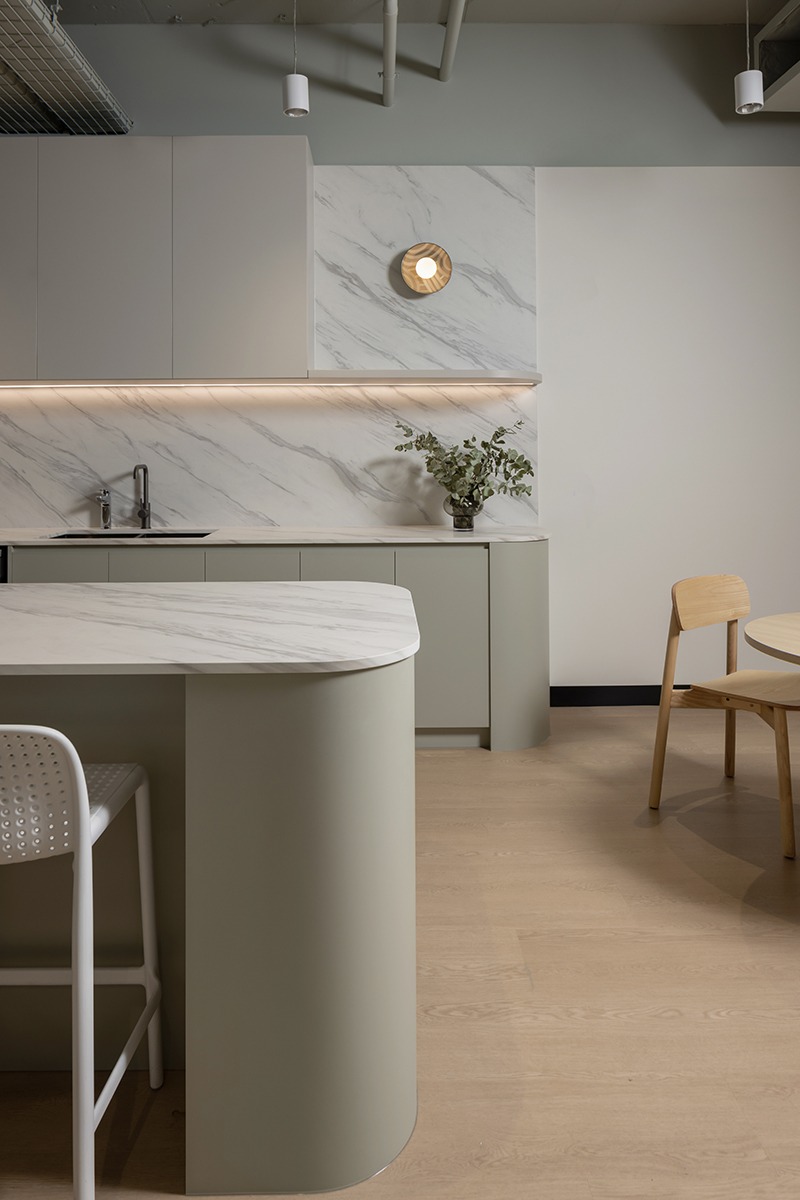
- Stone-look laminate on benchtops with solid-colour cabinet laminate.
- Woodgrain cabinet laminate with a neutral benchtop laminate.
- Matching laminate sheeting on panels and end boards for a built-in, seamless look.
Trends that are timeless
Trends are useful, but longevity comes from choosing finishes that you will still enjoy in five or ten years. Popular “safe” choices in kitchen laminate sheets include:
- Soft neutrals (warm whites, greige, mushroom, neutral tones)
- Woodgrains with realistic texture, EGGER Feelwood
- Matte or low-sheen stone looks
If you want something bolder (dark cabinetry, colour, high contrast), consider limiting it to one zone such as an island or pantry.
DIY vs Professional Installation
Laminate can look straightforward, but the quality of the finished result often comes down to preparation and detailing.
First: clarify “laminator sheets” vs decorative panels
People often search for laminator sheets when they actually mean decorative panels
- Laminator sheets are clear plastic sleeves or pouches used to protect paper or documents.
- Decorative panels are surfacing products used for cabinetry, cupboards, and benchtops.
Adhesive types and why they matter
The right laminate sheet adhesive depends on the substrate, the surface orientation, and exposure to heat and moisture. When discussing adhesive laminate sheets or laminate sheet adhesive options with a supplier, ask about:
- Suitability for horizontal surfaces (benchtops)
- Heat and moisture tolerance
- Open time and application method
- Compatibility with your substrate
Edge banding and exposed edges
Edges are where laminate systems win or lose. Consider:
- Matching edge banding for cabinet doors and shelves
- Postformed or formed edges for benchtops (where applicable)
- Minimising joins in wet zones
When DIY can work
DIY can work for small, low-risk applications such as:
- Re-surfacing a panel
- A utility cupboard
- A low-use vertical surface
For benchtops, high-use kitchens, and anywhere with sink cut-outs or multiple joins, professional installation usually delivers better longevity.
Cost & Longevity Considerations
Laminate sheets are often chosen for value, but the cheapest option is not always the best investment. With good materials and installation, laminate can last many years in residential kitchens. The true lifespan is driven by:
- Moisture control (especially around sinks and dishwashers)
- Edge integrity
- Cleaning habits
- Level of use (residential vs commercial)
Repair vs replacement
Laminate surfaces are generally harder to “patch invisibly” than timber. If the sheet is chipped or swollen at the substrate, replacement might be more cost-effective than repair. If damage is small and localised, a fabricator may be able to advise on patching or resurfacing options.
Budget comparison with timber and stone
- Laminate sheets usually cost less than stone.
- They can be comparable to some timber and veneer solutions depending on substrate and labour.
- They often provide strong value when you want a durable, consistent finish across multiple surfaces.
If you are planning to sell in the near future, well-chosen laminate sheets can deliver a clean, modern upgrade without the cost of premium stone.
Final Checklist: Before You Buy Laminate Sheets
Before you choose laminate sheets (or sheet laminate / laminate sheeting), run through this quick checklist:
- What surface is it going on: benchtop, cabinet door, cupboard interior, splashback, or panel?
- Will it face high heat, such as next to a cooktop or kettle zone?
- Will it face moisture, such as near a sink, dishwasher, or laundry area?
- Are there exposed edges, joins, or cut-outs that need extra sealing and protection?
If you answer those questions first, it becomes easier to choose the right laminate sheet product for the right job and avoid the common causes of early failure.